How to Add Native Grasses & Perennials This Fall
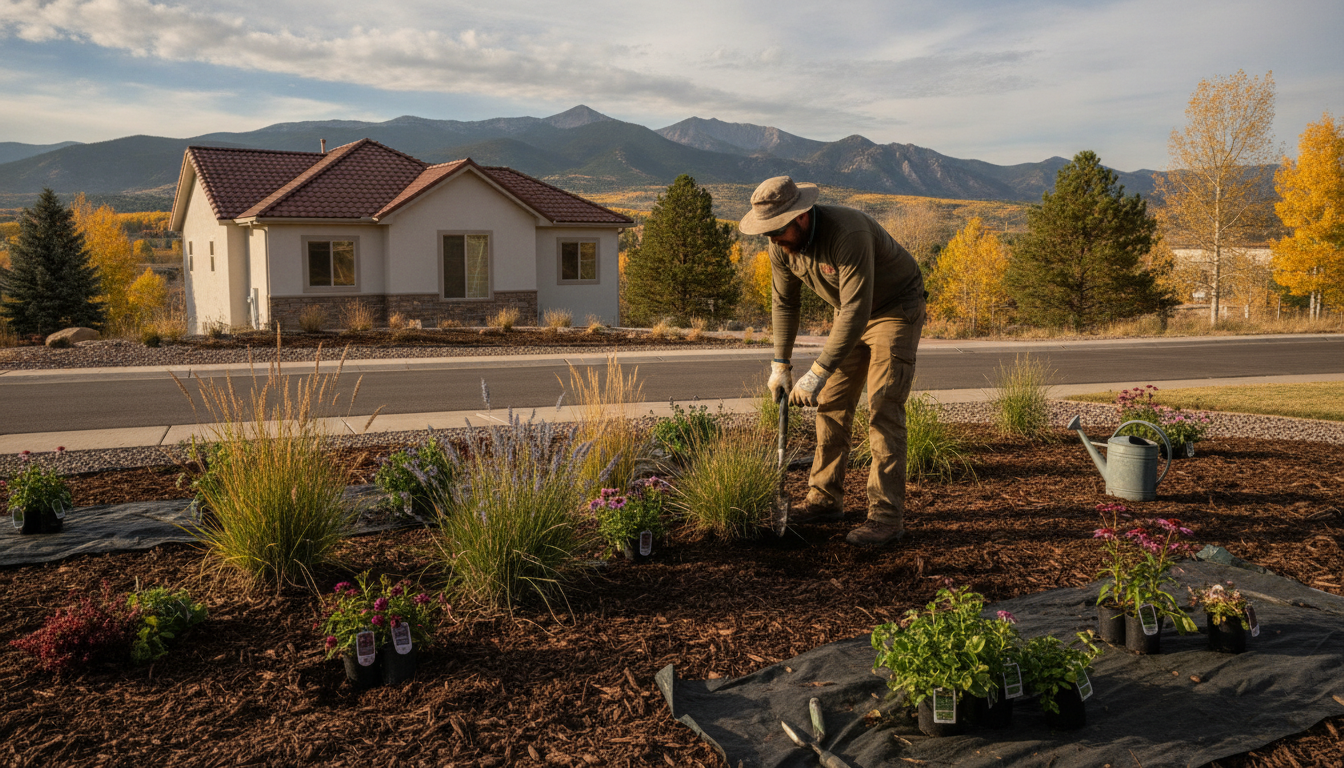
Learn how to add native Colorado grasses and perennials for xeriscaping in Colorado Springs, plus why fall is the ideal planting window.
If you've been thinking about a yard that looks great without demanding constant water and attention, fall is the perfect time to start. Native Colorado grasses and perennials are the backbone of good xeriscaping, and planting them during the fall establishment window gives them a head start before next summer's heat arrives. Here's how to bring more of these tough, beautiful plants into your landscape.
Why Fall Is the Right Time to Plant Natives
Colorado's fall weather — cooler air, warmer soil, and typically more consistent moisture — creates ideal conditions for root establishment. When natives go into the ground in fall, they spend the cooler months building strong root systems instead of fighting summer heat stress. By the time next year's dry season rolls around, they're better equipped to handle it with minimal supplemental water. This is one of the reasons fall planting is such a popular strategy for xeriscaping Colorado Springs homeowners who want long-term, low-maintenance results.
Start With the Right Native Grasses
Ornamental and native grasses do a lot of heavy lifting in a xeriscape. They add movement, texture, and four-season interest while using far less water than traditional turf. Grasses like blue grama, little bluestem, and buffalo grass are well suited to the region's climate and soil conditions, and they pair beautifully with perennial beds or gravel and boulder accents. Grouping grasses in drifts rather than scattering single plants also creates a more natural, cohesive look.
Choose Perennials That Thrive Locally
Native and adapted perennials are the color and texture partners to your grasses. Look for plants that are known to handle Colorado's intense sun, temperature swings, and limited rainfall once established. Many homeowners in our area layer in perennials for season-long blooms, staggering bloom times so there's always something interesting happening in the bed. The goal is a planting plan that looks intentional and full, not sparse or gap-toothed, while still keeping water use low.
Group Plants by Water Need
One of the most important principles in any xeriscape is hydrozoning — grouping plants with similar water requirements together. This makes irrigation far more efficient and prevents you from overwatering drought-tolerant natives or underwatering thirstier accent plants. A thoughtful landscape design Colorado Springs plan will map out these zones from the start, so your irrigation system (drip lines work especially well for perennial beds) matches the actual needs of each area.
Prep the Soil Before You Plant
Colorado's native soils are often heavy in clay or sandy and low in organic matter, depending on where you are in our service area. Amending the planting area with compost improves drainage and root penetration without pushing plants toward excess water use. Good bed prep now pays off for years, since natives that establish well in healthy soil need less coddling later.
Mulch to Lock In Moisture
A two-to-three-inch layer of mulch around new plantings helps regulate soil temperature, suppress weeds, and retain moisture through the fall and into winter. Rock or gravel mulch is common in xeriscape designs and complements native grasses nicely, while shredded bark can work well in perennial beds that need a bit more organic matter over time.
Think About the Whole Landscape
Native grasses and perennials work best as part of a bigger plan that considers your patios, walkways, and existing plantings. Whether you're updating a section of an established yard or starting fresh with new landscape installation Colorado Springs work, tying the native plantings into the overall design keeps your yard looking cohesive and functional rather than like a patchwork of unrelated projects.
Let the Pros Handle the Planning
Choosing the right mix of grasses and perennials, spacing them correctly, and getting the irrigation zoning right takes some know-how — especially with Colorado's variable microclimates. S&C Landscaping is family-owned and operated by Simeon and Chris, who bring 15 years of combined experience helping local homeowners build landscapes that thrive here. If you'd like help planning a native plant palette for your yard this fall, we're happy to set up a free on-site consultation. Just share your name, phone, email, and a bit about your project and our team will follow up to get things scheduled.
Frequently Asked Questions
What areas do you serve?
We serve a 35-mile radius around Monument, CO. That covers Colorado Springs, the Tri-Lakes area (Monument and Palmer Lake), Black Forest, Falcon, Peyton, Fountain, Security-Widefield, Manitou Springs, and Woodland Park, plus north into Larkspur, Castle Rock, Castle Pines, Sedalia, and Franktown. Not sure if you're in our area? Tell me your city or ZIP and I'll check for you.
How much does landscaping cost?
Every project is priced individually after a free on-site visit, since it depends on your yard's size, the materials, and the scope of work. You'll get a clear quote up front with no hidden fees. I can set up a free quote for you.
What services do you offer?
Landscape design, landscape installation (patios, walkways, plantings, and hardscapes), and xeriscaping — low-water, drought-tolerant landscaping built for Colorado's climate. We also do HOA landscaping.