Xeriscaping Colorado Springs: Beat Peak Summer Water Demand
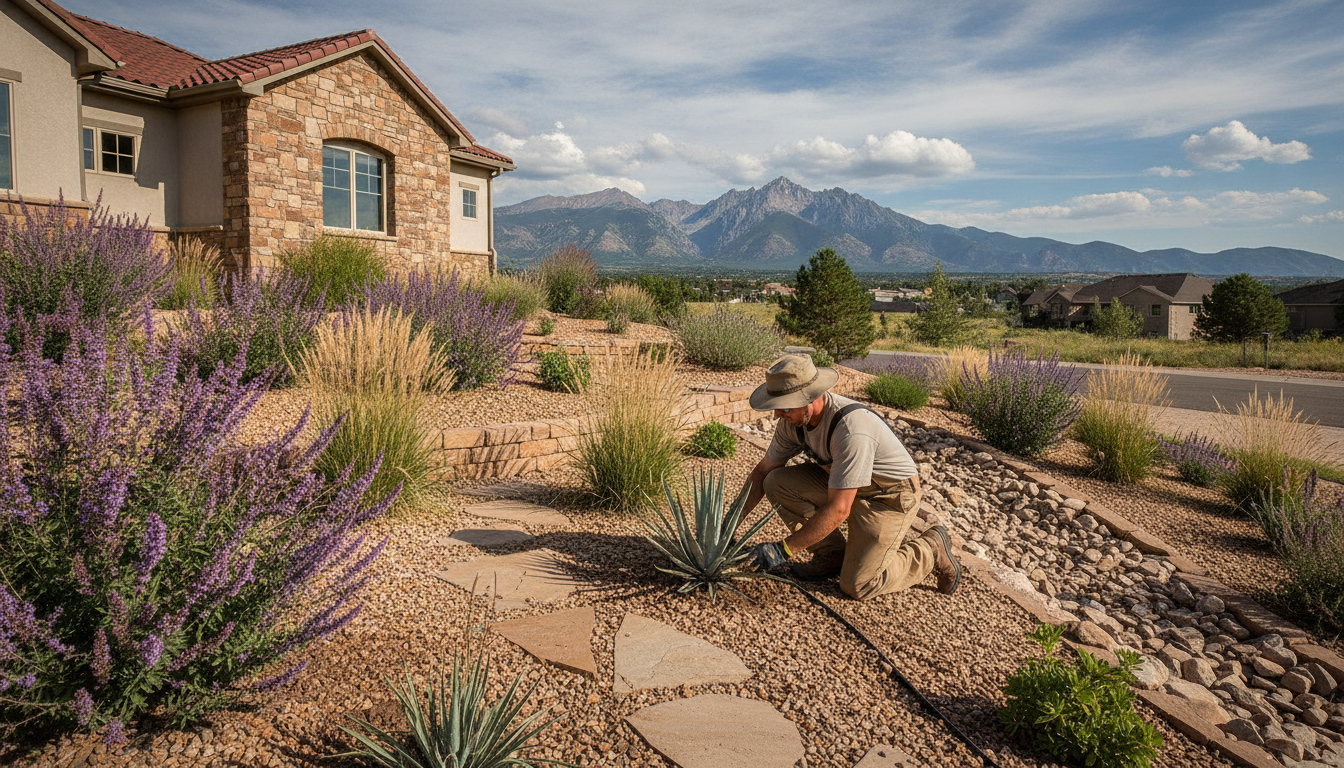
Discover why xeriscaping Colorado Springs homeowners choose helps landscapes thrive during peak summer heat while using far less water.
By mid-summer, Colorado Springs lawns and gardens face their toughest stretch of the year. High elevation sun, low humidity, and sparse rainfall combine to push water demand to its peak just when municipal water restrictions and rising bills make heavy irrigation less practical. This is exactly the challenge xeriscaping was designed to solve.
What Is Xeriscaping, Really?
Xeriscaping is a landscaping approach built around water efficiency. Rather than relying on thirsty turf and high-maintenance plantings, xeriscaped yards use drought-tolerant plants, efficient irrigation, mulch, and thoughtful design to minimize water use without sacrificing beauty. The term comes from the Greek "xeros," meaning dry, but a well-designed xeriscape is anything but barren — it can include colorful native perennials, ornamental grasses, and functional hardscaping that all work together.
The Core Principles
Most xeriscape designs follow a similar set of guidelines: grouping plants by water need, improving soil so it retains moisture longer, reducing turf areas to only where they serve a real purpose, using mulch to cut evaporation, and installing irrigation systems that target roots directly instead of spraying water into the air where it's lost to wind and heat.
Why Colorado Springs Is a Natural Fit for Xeriscaping
Colorado Springs sits in a semi-arid climate zone, and its high altitude intensifies the effect. Thin air and strong UV exposure dry out soil and foliage faster than in lower, more humid regions. Add in unpredictable summer storms that dump water quickly but infrequently, and traditional lawns often struggle to stay green without constant irrigation.
Xeriscaping works with this climate instead of against it. Plants chosen for their drought tolerance are already adapted to conditions similar to what Colorado Springs offers, so they need less coaxing to thrive. This makes xeriscaping a practical long-term strategy for local landscaping, not just a summer fix.
Peak Summer Water Demand
July and August typically bring the highest irrigation needs of the year, as heat and sun exposure peak at the same time many municipal systems see the greatest strain. Yards that depend heavily on traditional turf often require daily watering during this stretch just to prevent stress and browning. A xeriscaped yard, by contrast, is designed to handle these conditions with far less supplemental water, easing pressure on both your irrigation system and your summer water bill.
How Xeriscaping Fits Into a Broader Landscape Plan
Xeriscaping doesn't mean an all-or-nothing overhaul. Many Colorado Springs homeowners incorporate xeriscape principles gradually — replacing a water-hungry section of lawn with native plantings, adding mulch beds, or upgrading irrigation zones one at a time. Thoughtful landscape design in Colorado Springs often blends xeriscape elements with traditional plantings, giving homeowners flexibility to balance aesthetics, budget, and water savings.
Because every yard has different sun exposure, slope, and soil conditions, successful xeriscaping typically starts with a site assessment. Understanding how water moves across a property, where soil needs amending, and which existing plants are worth keeping helps shape a design that actually performs through the dry season rather than just looking good on paper.
Working With Local Landscapers
Because climate, elevation, and soil vary even within the Colorado Springs area, working with landscapers familiar with these local conditions can make a meaningful difference in how well a xeriscape design performs long term. Local landscaping professionals can help select plant varieties suited to specific microclimates and design irrigation systems that complement a xeriscape layout rather than working against it.
Getting Started
If peak summer water bills or stressed-out turf have you rethinking your yard, xeriscaping offers a practical path forward. Whether you're considering a full landscape installation in Colorado Springs or a phased transition from traditional lawn to drought-tolerant design, the summer season is a good time to evaluate which areas of your yard are struggling most and start planning changes before next year's heat arrives.
Frequently Asked Questions
Does xeriscaping mean no grass at all?
Not necessarily. Many xeriscape designs keep a small turf area for functional use, like a play space, while reducing overall lawn size and replacing the rest with drought-tolerant plants, mulch, or hardscaping.
Is xeriscaping only useful during drought years?
No. While it helps significantly during dry stretches, xeriscaping is designed as a long-term landscaping strategy suited to the region's typical semi-arid conditions, not just a temporary response to drought.
Can I convert my existing landscape gradually?
Yes. Many homeowners transition section by section, starting with the areas that struggle most in summer heat, rather than replacing the entire yard at once.