Year-Round Xeriscape Care Colorado Springs: Summer to Fall
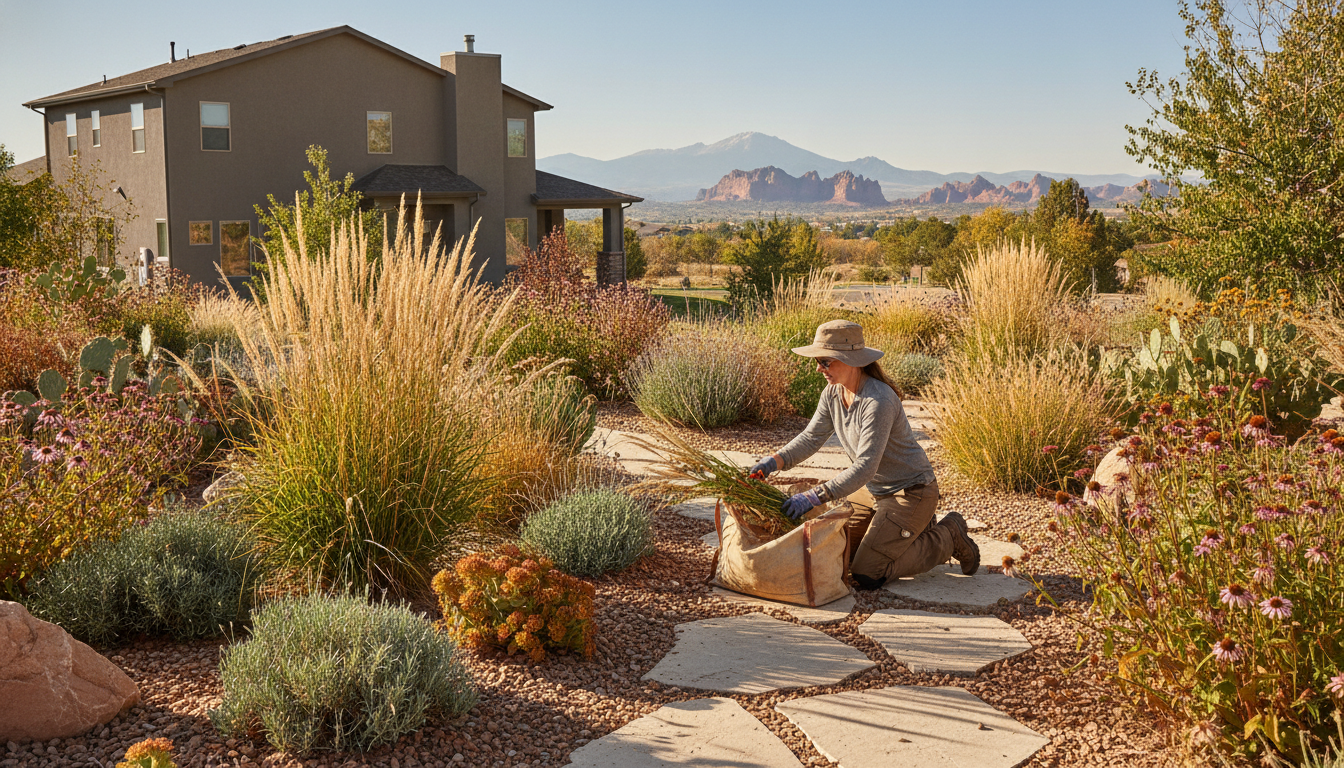
Tips for year round xeriscape care in Colorado Springs, with a focus on transitioning your drought-tolerant landscape from summer to fall.
One of the biggest perks of a xeriscape is how little fuss it needs compared to a thirsty traditional lawn. But "low-maintenance" doesn't mean "no maintenance." As the days shorten and temperatures start to dip, your xeriscape needs a bit of attention to transition smoothly from summer growth into fall dormancy. Here's what to keep an eye on this season, whether you're in Monument, Colorado Springs, or anywhere else across our service area.
Why the Summer-to-Fall Transition Matters
Colorado's climate swings hard between seasons, and a xeriscape's native and drought-tolerant plants are built to handle that — but only if they're given the right care at the right time. Fall is when plants start pulling energy back into their roots, which makes it a critical window for watering adjustments, pruning, and mulching. Get it right, and your landscape rewards you with healthier growth next spring. Neglect it, and you may see stressed plants, thinning ground cover, or erosion issues over winter.
Adjusting Your Watering Schedule
Smart irrigation is one of the cornerstones of a good xeriscape, but the settings that worked in July won't work in September. As temperatures cool and daylight hours shrink, plants need less frequent watering. Gradually reduce your irrigation run times and frequency rather than shutting things off abruptly — this helps plants harden off before winter. If you're not sure your system is adjusting properly, it's worth having it checked before the first hard freeze.
Watch for Overwatering Signs
Yellowing leaves, soft or mushy stems, and standing water near beds are all signs your irrigation may still be running on a summer schedule. Drought-tolerant plants are especially sensitive to overwatering once they enter their dormant phase.
Cleaning Up Spent Growth
Many native and drought-resistant plants used in xeriscape design go to seed or die back in fall. Rather than cutting everything down immediately, consider leaving some seed heads and ornamental grasses standing through early winter — they add texture, feed birds, and protect the crown of the plant from harsh weather. However, removing diseased foliage, weeds, and debris is still important to prevent problems from carrying over into spring. This is where a seasonal yard cleanup can make a real difference, clearing out what needs to go while preserving what should stay.
Mulch: Your Landscape's Winter Blanket
A fresh layer of mulch in fall does double duty — it retains soil moisture during dry spells and insulates roots against temperature swings, which are common along the Front Range. Check existing mulch depth around your beds and top it off where it's thinned out over summer. This is especially important for new xeriscape installations that haven't fully established root systems yet.
Checking Hardscapes and Drainage
Xeriscapes often incorporate patios, walkways, and other hardscaping elements alongside the plantings. Fall is a smart time to walk your property and look for cracked pavers, shifting stone, or areas where water pools instead of draining away. Left unaddressed, drainage issues can worsen with winter freeze-thaw cycles. If you notice settling or erosion near beds, it may be time to have grading or drainage reassessed.
Caring for Xeriscapes Across Our Service Area
From the sandy soils around Black Forest and Falcon to higher elevations near Woodland Park and Monument, and out toward Castle Rock, Peyton, Fountain, and Manitou Springs, growing conditions vary quite a bit across our region. What works for a xeriscape in one neighborhood may need tweaking a few miles away. That local knowledge — knowing how soil, elevation, and wind patterns affect plant health — is part of what makes seasonal care planning so valuable, whether it's a private backyard or a commonly-maintained HOA landscape.
A Few Simple Fall Habits
- Reduce irrigation gradually as temperatures cool
- Leave some seed heads and grasses for winter interest and wildlife
- Refresh mulch around beds and root zones
- Inspect hardscapes and drainage paths for wear
- Remove weeds and diseased plant material before it spreads
If you'd rather have an experienced eye look over your property before winter sets in, S&C Landscaping offers a free on-site consultation. We're family-owned and operated by Simeon and Chris, who bring 15 years of combined experience caring for landscapes throughout the Colorado Springs and Monument area. We're happy to walk your yard, point out what needs attention, and help you plan next steps — no pressure, just honest guidance.
Frequently Asked Questions
Do I need to water my xeriscape in fall?
Yes, but less often than in summer. As temperatures drop, reduce irrigation frequency and duration gradually so plants have time to adjust before winter dormancy.
Should I cut back all my plants before winter?
Not necessarily. Many ornamental grasses and seed heads provide winter interest and can be left standing, while diseased or dead foliage should be cleared away. A seasonal yard cleanup can help sort out what to leave and what to remove.
Can you help maintain a xeriscape year-round?
We offer seasonal yard cleanups, landscape installation, and xeriscaping services throughout our Monument-based service area. Share a bit about your property and we'll set up a free consultation to go over what your landscape needs this season.