Choosing Lush, Colorful Plants for Xeriscaping Colorado Springs
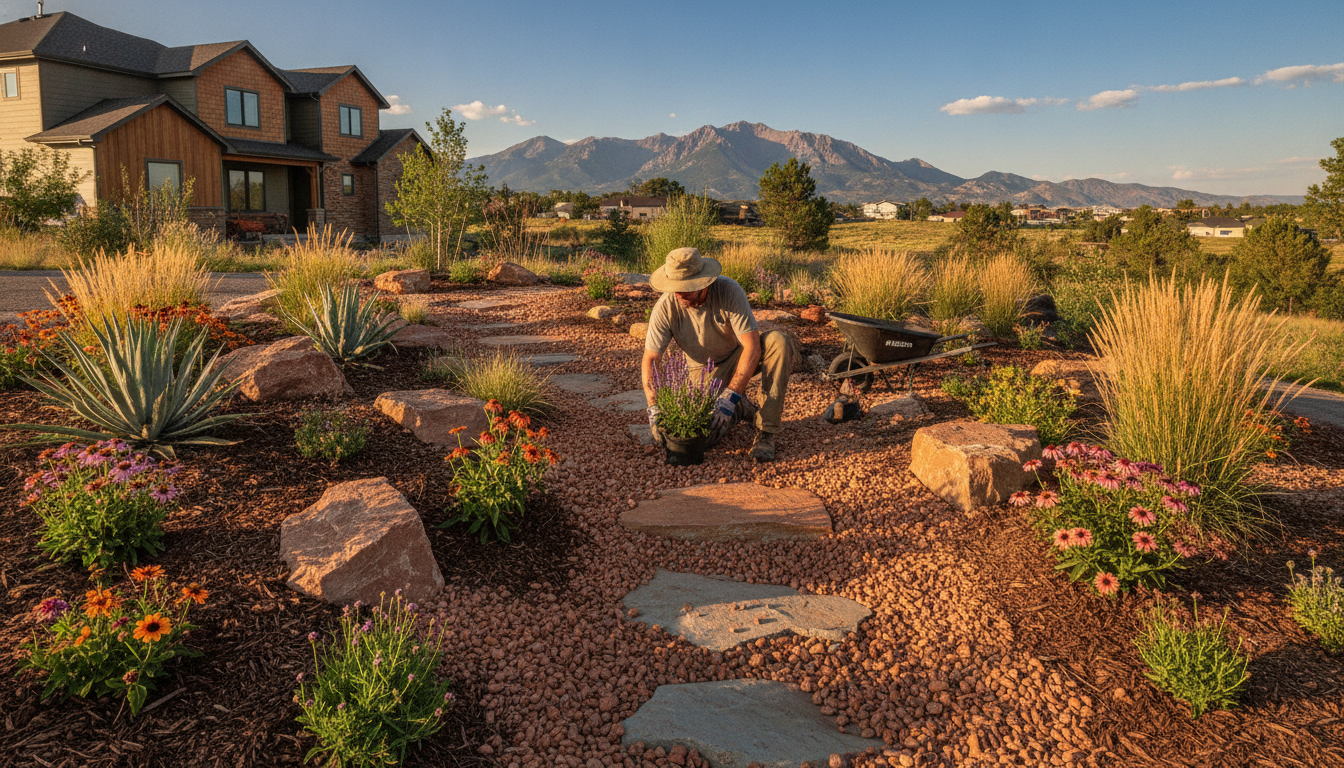
Plan a colorful, drought-tolerant xeriscape before fall installation. Local plant and material tips for Colorado Springs and Monument homeowners.
When people hear "xeriscaping," they often picture a yard full of gravel and cactus. But a well-planned xeriscape can be just as lush and colorful as a traditional garden — while using a fraction of the water. Fall is an ideal time to start planning your drought-tolerant landscape, since many perennials and shrubs establish beautifully when they go into the ground before winter dormancy. Here's how to choose plants and materials that bring color and texture to your yard while thriving in Colorado's climate.
Start With a Layered Plant Palette
The secret to a xeriscape that feels lush isn't fighting the dry climate — it's choosing plants that are naturally suited to it and layering them thoughtfully. Combine varying heights, textures, and bloom times so something is always catching the eye.
Groundcovers and Low Growers
Creeping thyme, ice plant, and native grasses fill in bare soil, reduce erosion, and soften the edges of pathways and patios. These low growers also help crowd out weeds, cutting down on maintenance.
Mid-Height Color
Russian sage, blanket flower, penstemon, and yarrow are Colorado favorites that deliver months of color with minimal water once established. Their varied bloom times mean your yard can have color from late spring through the first frost.
Structural Anchors
Ornamental grasses, yucca, and native shrubs like rabbitbrush or mountain mahogany add year-round structure and movement, giving the landscape visual interest even in winter when perennials have died back.
Choose Materials That Complement the Planting
Xeriscaping isn't just about plant selection — hardscape materials play a big role in both function and appearance.
Mulch and Ground Cover Materials
Organic mulch helps retain soil moisture and moderates soil temperature around plant roots, while decorative rock or gravel works well in areas with less planting density. Many homeowners blend both across different zones of the yard for contrast and texture.
Pathways and Gathering Spaces
Well-placed walkways and patios break up planting beds and make the space usable, not just decorative. Durable, locally suited hardscape materials hold up to Colorado's freeze-thaw cycles and sun exposure better than materials chosen without our climate in mind.
Plan Your Layout Around Water Zones
Group plants with similar water needs together — a practice called hydrozoning. Put thirstier plants (if you choose to include a few) closer to downspouts or low points where water naturally collects, and reserve the driest, sunniest spots for your toughest, most drought-resistant species. Smart irrigation, such as drip lines set on a zoned schedule, delivers water efficiently right to the root zone instead of spraying it into the air where it evaporates quickly at our elevation.
Why Fall Planning Pays Off
Cooler fall temperatures reduce transplant stress, and roots have a chance to establish before summer heat arrives again. Planning your plant list and layout now means you're ready to move into installation as the fall window opens, rather than scrambling once the season is underway. It also gives you time to source native and drought-resistant plants that may need to be special ordered.
Work With Local Landscaping Expertise
Every yard in the Colorado Springs and Monument area has its own microclimate — elevation, sun exposure, soil type, and wind all affect which plants will thrive. S&C Landscaping is family-owned and operated by Simeon and Chris, who bring 15 years of combined experience designing and installing landscapes built for Colorado's unique conditions. Whether you're starting a xeriscape from scratch or reworking an existing landscape design, our team can help you choose a plant and material palette that stays colorful and low-maintenance for years to come.
If you're ready to start planning, we offer a free on-site consultation and quote — just share your name, phone, email, and a bit about your project, and we'll be in touch to schedule.
Frequently Asked Questions
Can a xeriscape really look colorful, not just rocky and sparse?
Yes. With the right mix of native perennials, ornamental grasses, and flowering shrubs, a xeriscape can have color and texture from spring through fall while still using far less water than a traditional lawn-heavy landscape.
When is the best time to plant a new xeriscape in Colorado Springs?
Fall is a great time to plant many drought-tolerant perennials and shrubs, since cooler temperatures reduce stress on new plantings and give roots time to establish before summer heat returns. Planning your design now sets you up well for the fall installation window.
Do you help with both plant selection and installation?
Yes — we offer landscape design and landscape installation, including xeriscaping with smart irrigation and native, drought-resistant plants, for homeowners and HOAs throughout the Colorado Springs and Monument area.